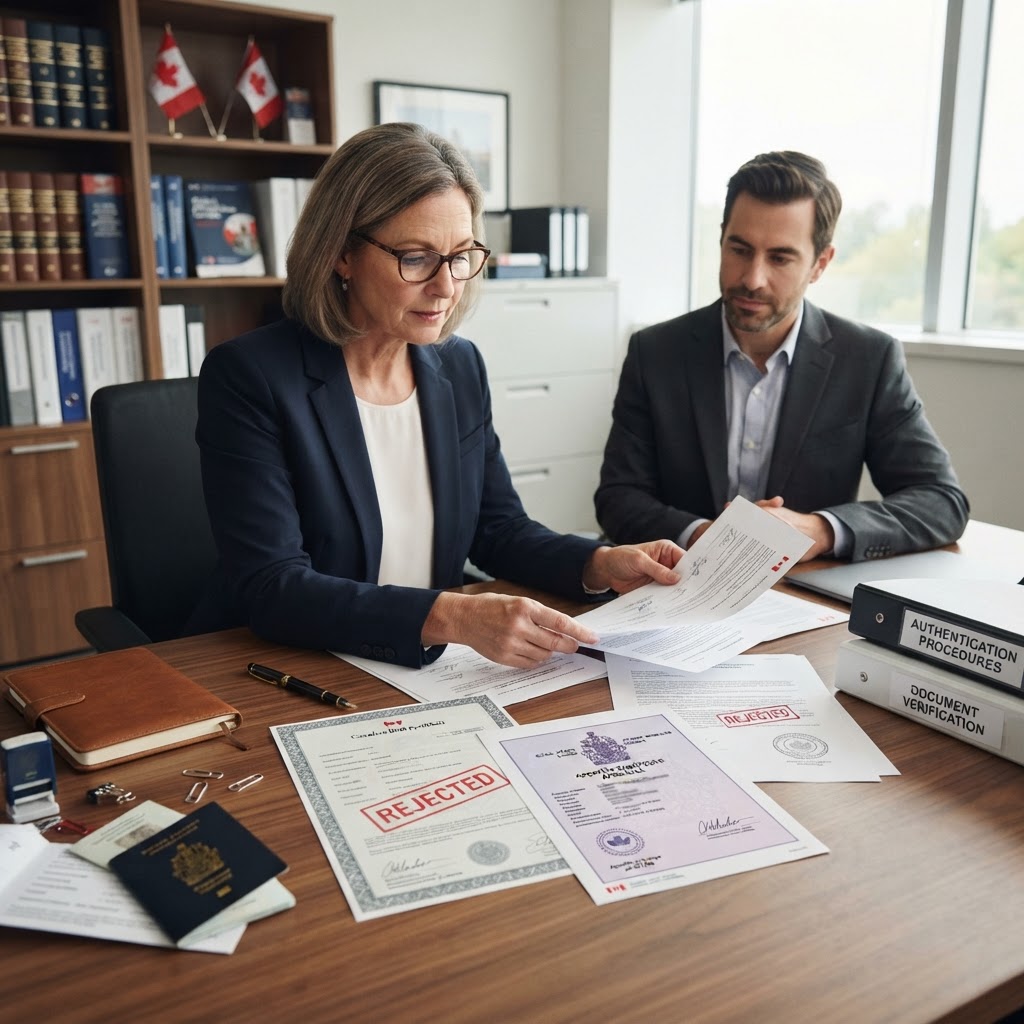
Avoiding Common Canadian Apostille Mistakes: A Practical Guide
Since Canada officially joined the Hague Apostille Convention on January 11, 2024, the process for using Canadian documents abroad has become more streamlined. However, even with the transition to a simplified apostille process, many individuals and businesses still encounter obstacles that lead to rejected applications. Whether you are authenticating a Canadian birth certificate for marriage in Europe or an RCMP background check for overseas employment, navigating the bureaucratic requirements requires precision. Understanding the common pitfalls is the first step toward a successful authentication. ## 1. Submitting Non-Apostillable Documents One of the most frequent errors is attempting to apostille a document that does not meet the necessary criteria. In Canada, Global Affairs Canada and provincial authorities only process documents that have been properly prepared. If your document is a photocopy that has not been certified by a Canadian notary public or if it lacks the required original signatures from authorized officials, it will be returned unprocessed. Before submitting any document, ensure it is either an original issued by a Canadian government body—such as a marriage certificate from a provincial Vital Statistics office—or a notarized copy that meets current regulatory standards. ## 2. Failure to Verify Specific Signature Requirements The apostille process is strictly tied to verifying the signature on your document. If you have a document signed by a local notary, the apostille authority must have the signature of that specific notary on file. If the signature is outdated, illegible, or does not match the records held by the provincial or federal registry, the apostille will be denied. This is particularly common with notarized documents where the notary’s stamp or commission details are unclear. Always ensure that the notary public’s information is clear, current, and verifiable. ## 3. Ignoring Provincial Versus Federal Jurisdiction One of the most complex aspects of the Canadian apostille system is knowing which authority has jurisdiction over your document. Generally, documents issued by the federal government are apostilled by Global Affairs Canada, while documents issued by provincial or territorial governments are handled by the respective provincial authorities. For example, a document issued by the Government of Ontario must often go through the Ministry of Public and Business Service Delivery, whereas federal documents like RCMP criminal record checks are handled by the federal office. Submitting your documents to the wrong office is a primary cause of significant delays. ## 4. Incomplete Notarization Requirements When dealing with documents that are not government-issued originals, such as private contracts or corporate resolutions, notarization is mandatory. A common mistake is using a notary who does not provide a proper notarial certificate or who fails to include the necessary statement of authority. In Canada, the document must be signed in the presence of a notary, and the notary must sign and affix their official seal. If the document is missing the notary’s clear contact information or if the seal is smudged or incomplete, the apostille office will reject the application immediately. ## 5. Submitting Expired or Altered Documents Documents issued by Canadian authorities, such as birth certificates, often require recent versions to be accepted by foreign countries. While an old document might be valid within Canada, foreign governments frequently require documents issued within the last six months or those that reflect the most current formatting. Additionally, any sign of alteration—such as correction fluid, cross-outs, or tape—will render a document ineligible for an apostille. Always request a fresh, clean certified copy from the relevant Vital Statistics office if your original document is damaged or aging. ## 6. Misunderstanding Translation Requirements If your Canadian document is in English or French, you may still need a professional translation depending on the requirements of the destination country. A common mistake is assuming that an apostille acts as a certification of the document’s content rather than its signature. If the destination country requires the document to be in their native language, the apostille itself must be applied to the certified translation. Always check with the embassy or consulate of the destination country to confirm if they require a certified translation alongside the apostilled Canadian document. ## Final Tips for a Smooth Process Navigating the Canadian apostille landscape requires attention to detail and a thorough understanding of current federal and provincial guidelines. By ensuring your documents are legible, correctly notarized by a recognized Canadian authority, and submitted to the appropriate government office, you can avoid the frustration of rejected applications. Because policies can change and individual country requirements vary, staying informed about the latest updates from Global Affairs Canada and provincial registrars is essential for anyone handling international documentation from Brampton or anywhere else across the country.
Need Help with Your Documents?
Our team is ready to assist with your apostille needs. Get a free quote or start your order today.