Canadian Document Authentication & Apostille Guide | Speedy Apostille
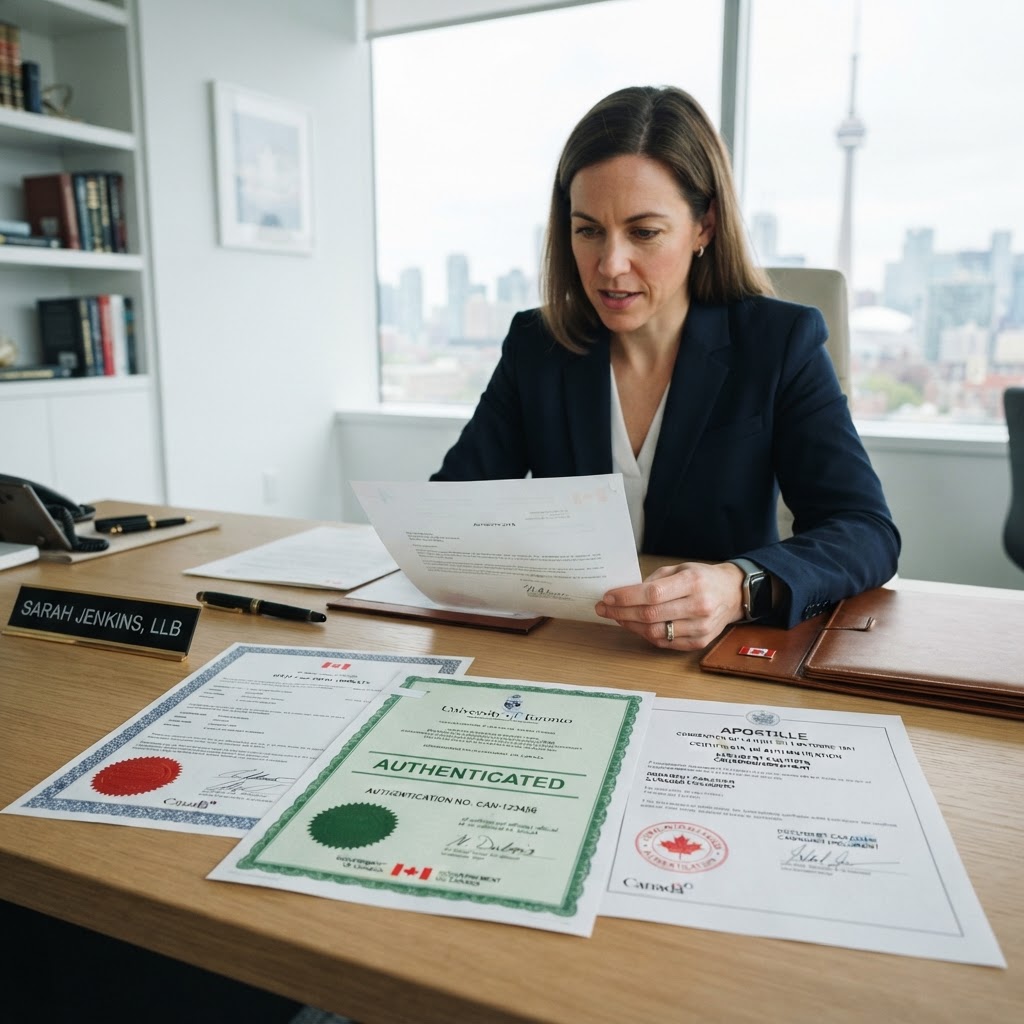
Since January 11, 2024, Canada has officially joined the Hague Apostille Convention. This monumental shift has streamlined how Canadians prepare documents for use in other member countries. Whether you are moving abroad for work, pursuing international education, or expanding your business operations overseas, understanding the new authentication landscape is essential. Navigating the requirements of Global Affairs Canada and provincial authorities can be complex, but with the right information, you can ensure your documents are recognized globally. ## The Shift to the Apostille Process Historically, Canadian documents destined for foreign use required a multi-step process involving notarization and subsequent authentication by Global Affairs Canada or provincial authorities, followed by legalization at a foreign embassy. With Canada’s accession to the Hague Apostille Convention, the legalization step at foreign embassies for member countries has been replaced by the issuance of a single document: the Apostille. An apostille is a certificate that authenticates the origin of a public document. It confirms the authenticity of the signature of the public official who signed the document, the capacity in which they acted, and the identity of any seal or stamp affixed to the document. ### Key Canadian Document Types Frequently Authenticated Many individuals and businesses in Canada require authentication for various personal and corporate documents. Common documents processed for international use include: * Canadian birth, marriage, and death certificates (issued by provincial Vital Statistics offices) * RCMP criminal record checks * Canadian university degrees, diplomas, and transcripts * Articles of incorporation and corporate bylaws * Powers of attorney and affidavits notarized by a Canadian lawyer or notary public ## Navigating the Authentication Process in Canada The process for obtaining an apostille in Canada is determined by the nature and the origin of the document. Depending on the document type, you may need to deal with either federal or provincial competent authorities. ### 1. Provincial Competent Authorities Many documents are handled at the provincial level. For example, if you are based in Ontario, documents such as marriage certificates or specific notarized documents are often processed through provincial ministries. If your document was issued by a provincial Vital Statistics office, it is essential to ensure it is the original long-form certificate rather than a commemorative copy. ### 2. Federal Authentication via Global Affairs Canada Global Affairs Canada remains the primary authority for specific federal documents. This includes documents issued by federal departments or agencies, as well as documents that meet specific criteria for federal oversight. The queue at Global Affairs Canada can be lengthy, and strict adherence to their submission guidelines is required to avoid delays or rejections. ## Steps to Ensure Your Documents are Ready The authentication process relies heavily on the document being in a form that the competent authority can verify. Here are the necessary steps: 1. Ensure the document is eligible: Check if your document is an original or a certified true copy. 2. Notarization: Many documents, such as academic transcripts or corporate records, must be notarized by a Canadian lawyer or a notary public before they can be submitted for an apostille. 3. Verification of Signatures: The notary must be registered and in good standing. The competent authority will verify the notary's signature against their internal registry. 4. Submission: Once notarized, the document is submitted to the competent authority (either provincial or federal) to receive the official apostille certificate. ## Common Challenges and How to Avoid Them Even with the simplified Hague Convention process, errors occur frequently. Common pitfalls include: * Incomplete Notarization: Missing a notary seal, signature, or the specific wording required for a certified true copy. * Document Age: Some jurisdictions require documents to be recent, particularly criminal record checks from the RCMP, which often must be processed within a specific window of time to be considered valid for international use. * Incorrect Authority: Sending a provincial document to Global Affairs Canada or vice versa. Identifying the correct competent authority is the most critical step to avoid your package being returned. * Damaged Documents: Documents that are laminated or have tears in the seal may be rejected by the authentication office, as they cannot verify the document's authenticity. ## Why Professional Assistance Matters Managing the apostille process requires a keen understanding of both provincial and federal bureaucratic requirements. For those based in Brampton or anywhere across Canada, navigating these offices can be time-consuming and prone to administrative friction. Professional services provide a streamlined approach by: * Pre-screening documents to ensure they meet strict government standards before submission. * Managing the physical courier and drop-off requirements to ensure your documents remain secure. * Providing updates on the status of your request, which is particularly helpful given the fluctuating processing times at government offices. As Canada integrates further into the international regulatory framework, maintaining compliance with these procedures ensures that your documents are accepted without hesitation in over 120 countries. Whether you are dealing with academic credentials or legal business filings, a thorough understanding of the Canadian apostille system is your key to seamless international mobility.
Need Help with Your Documents?
Our team is ready to assist with your apostille needs. Get a free quote or start your order today.